
db2map.com follows Dota 2, CS2, and PUBG through maps, drafts, and match habits.
db2map.com follows Dota 2 through maps, drafts, and match habits, not hype speeches after a bad queue. I watch losses the way I watch a replay: where the lane moved, when vision went stale, which objective was being ignored, and who kept showing before the fight started. Live, amateur games feel like five fires at once. Replayed around lane movement, ward purpose, and objective timing, the same loss usually turns into a few fixable habits you can test tomorrow.
The loss usually starts before the big fight
The wipe everyone remembers is often just the receipt. The unpaid bill began when a support left a wave under tower, a core used TP for a lane with no follow-up, or both side lanes went dark before a tower push. In Dota 2, the map keeps score before the kill feed does.
A useful replay mark is not “we threw.” Pause when a lane breaks, when a rune could have been contested, when a ward is placed, when smoke leaves base, and when a hero appears on vision before an objective. Track creep waves before rotations, TP status before defense, and which enemy is missing when your team walks uphill. Those notes explain why the later fight felt impossible.
Common Dota 2 mistakes that keep repeating
These are the errors I see most often in amateur replays, with the cue I’d use to stop them in the next match.
- Chasing while waves die. A kill past the river can cost more than it gives if two waves hit your tower. Before diving, glance at the nearest lane and ask whether the chase protects farm or abandons it.
- Warding old fights. Dropping vision where the last fight happened often lights an empty story. Ward for the next move: tower pressure, Roshan approach, triangle entry, or the lane your carry needs to touch.
- Drafting only comfort. A familiar hero still needs a lane purpose. In draft, name the job before locking: pressure, save, shove, stun, tower damage, or scaling cover.
- Farming away from the next objective. Safe creeps can become useless creeps if they pull you from the tower or Roshan your lineup wants. Farm the side of the map your next objective will use unless you are deliberately dodging a stronger group.
- Blaming the fight, skipping the setup. Bad spell use matters, but check the minute before the clash. If your team entered with dead lanes, no fresh ward, and key spells cooling down, the fight was already tilted.
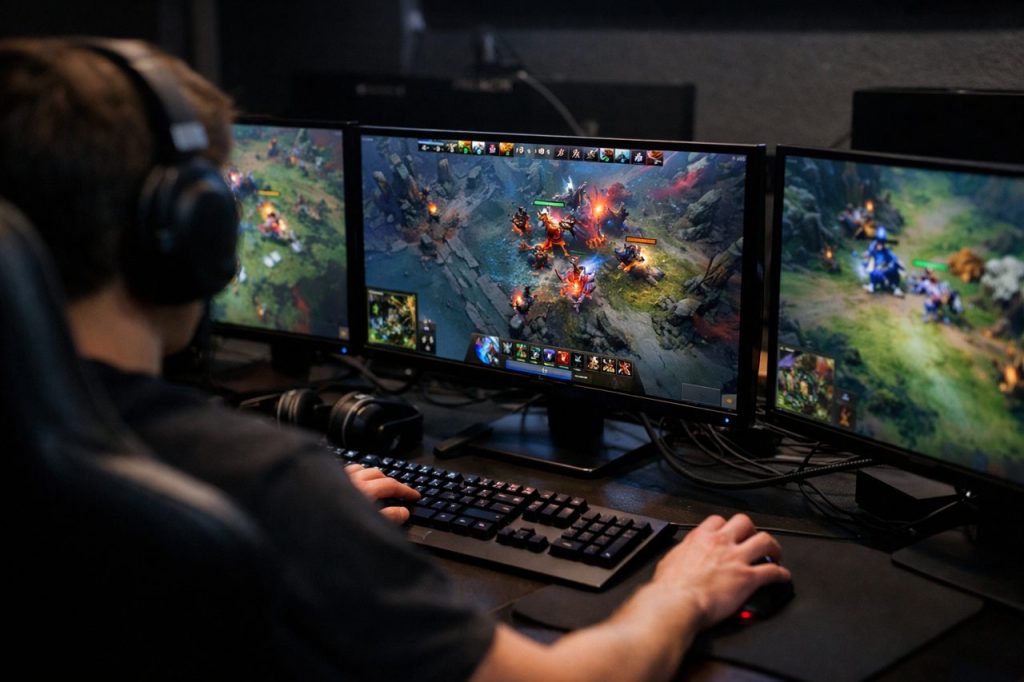
A replay pass that gives you one fix for the next game
Do not review everything. A short pass works better when it produces one habit you can actually carry into the next lobby.
1. Pick one lost game
Choose a match that felt confusing, not hopeless from the loading screen. The best review target is a game where you remember one fight but not how it was set up.
2. Jump to lane breaks and deaths
Watch the first major lane departure, then each death that changed map control. Note the wave position, TP availability, and nearby vision before judging the play.
3. Read objectives backward
For each tower attempt, Roshan move, or base defense, rewind to the map state beforehand. Check who was showing, which lanes were pushed, and whether anyone had to cross blind ground.
4. Check the draft’s job
Ask what your five heroes were supposed to do before fights started. If the answer is vague, your next draft needs clearer initiation, save, wave clear, or damage timing.
5. Compare first rotations
Look at the first time both teams moved from lanes. The side that moved with a wave, rune, or ward usually had a reason; copy the reason, not the hero.
6. Choose one test
Leave the replay with a single instruction, such as warding for the next tower or saving TP for defense. One repeatable change beats a page of complaints.
Why a multi-game eye helps without mixing the games up
CS2 and PUBG are useful side mirrors, not templates. CS2 sharpens respect for angles and traded space: if no one can help you, your position is expensive. PUBG reinforces route discipline and exposure: the open path is a decision, not a shortcut.
Dota 2 still runs on economy, cooldowns, lanes, and vision. A ward can change a farm pattern; a cooldown can delay an objective; a lane can force a rotation. The shared skill is pattern recognition, while the rules of the pattern stay game-specific.
What to check before you queue again
Use this as a short reset before accepting the next match.
- Hero job: Say what your hero must provide before fights: stun, save, push, burst, scouting, or scaling pressure.
- Lane plan: Know whether you want to shove, hold equilibrium, trade hard, or survive for a timing.
- First rotation trigger: Move for a rune, catapult wave, tower threat, smoke call, or enemy TP, not just boredom.
- Ward purpose: Place vision for the next objective or safe farm area, not for decoration.
- Next objective: Keep one tower, Roshan attempt, or defensive stand in mind while farming.
- Safe farm area: Identify the lane or jungle pocket you can take without cutting off help.
- Replay note: Carry one habit from review into the game and judge only that change.